
First Experience and Core Mechanics
When I first started playing Roulette at True Fortune Casino, the experience felt very different from slots or bonus-driven games. This is a pure probability game — simple in structure, but deep in strategy and behavior.
After completing the Sign up process, I accessed the platform through the Login panel and navigated to the table section within Games. Roulette is one of the core offerings, available in both standard digital format and live dealer versions.
First Impressions of the Interface
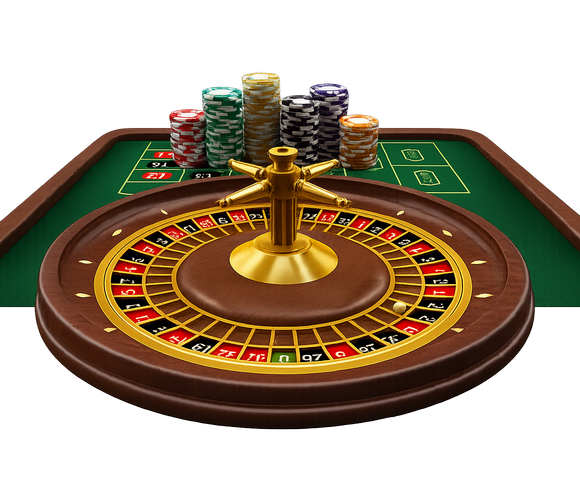
The layout is clean and familiar: a betting table with numbers from 0 to 36, colored red and black, plus the green zero. The wheel spins independently, and the ball determines the outcome.
Compared to Slots, there are no animations or bonus features — everything is focused on betting decisions.

Types of Roulette Available
At True Fortune Casino, I tested multiple variants:
- European Roulette
- American Roulette
- Live Roulette
Each version has slightly different odds due to wheel structure.
| Roulette Type | Zeros | House Edge | Gameplay Style | My Observation |
|---|---|---|---|---|
| European | Single (0) | ~2.7% | Balanced | Best overall odds |
| American | Double (0, 00) | ~5.26% | Higher risk | Less favorable |
| Live Roulette | Single (0) | ~2.7% | Real dealer | Most immersive |
| Mobile Access | Available via **App** | Same odds | Flexible play | Stable experience |
Core Betting Options
Roulette offers a wide range of bets, divided into two main categories:
- Inside bets (specific numbers)
- Outside bets (groups like red/black, odd/even)
From my first sessions, I noticed that the game gives full control over risk level depending on how bets are structured.
How Gameplay Feels
Unlike slots, where outcomes are hidden behind RNG animations, Roulette feels transparent. You see the wheel, the ball, and the result in real time.
This creates a different type of engagement — more analytical and less reactive.
My First Sessions — Observations
In early sessions, I experimented with both inside and outside bets.
Outside bets provided stability, with frequent small returns.
Inside bets were less frequent but offered higher payouts.
Platform Experience at True Fortune Casino
From a technical standpoint, everything worked smoothly. Switching between Roulette and other Games was seamless, and the live version streamed without interruptions.
I also checked the Bonus section to understand how Roulette contributes to wagering. Typically, table games have lower contribution rates, which is important to consider.
Early Behavioral Insight
Roulette is not about chasing wins — it is about managing probabilities and controlling risk.
Betting Systems, Payout Structures, and Probability Behavior
After getting comfortable with the basic flow of Roulette at True Fortune Casino, I shifted toward understanding how betting systems actually influence outcomes. Unlike slots, where strategy has minimal impact, Roulette allows structured approaches — though none can overcome the house edge.
Understanding Payout Structures
Each type of bet offers a different payout ratio depending on its probability. The key trade-off is simple: higher payout means lower probability of winning.
| Bet Type | Coverage | Payout | Win Probability | My Insight |
|---|---|---|---|---|
| Straight Up | 1 number | 35:1 | ~2.7% | High risk, high reward |
| Split | 2 numbers | 17:1 | ~5.4% | Slightly safer |
| Street | 3 numbers | 11:1 | ~8.1% | Moderate risk |
| Red/Black | 18 numbers | 1:1 | ~48.6% | Most stable |
| Odd/Even | 18 numbers | 1:1 | ~48.6% | Balanced approach |
My Experience with Different Bet Types
In early sessions, I tested aggressive strategies with inside bets. While payouts were attractive, losses accumulated quickly due to low hit frequency.
Switching to outside bets created a more stable experience, but with limited upside.
This highlighted a key principle: Roulette is about balancing volatility through bet selection.
Common Betting Systems I Tested
Over time, I experimented with several well-known systems:
- Martingale (doubling after losses)
- Fibonacci (gradual increase)
- Flat betting (constant stake)
From practical experience:
Martingale felt risky, especially during long losing streaks.
Fibonacci provided more control but slower recovery.
Flat betting was the most stable approach.
Probability Distribution in Practice
To better understand outcomes, I tracked results across multiple sessions and visualized how numbers appeared over time.
Key Insight About Systems
One of the most important realizations I had is that no system changes the probability of outcomes. Each spin is independent.
However, systems influence how your bankroll reacts to those outcomes.
Strategy Adjustment Over Time
After testing different approaches, I shifted toward:
- Consistent bet sizes
- Balanced coverage across outcomes
- Avoiding aggressive progression systems
This reduced volatility and improved session control.
Interaction with Platform Tools
During gameplay, I occasionally checked the FAQ section to clarify rules and payout structures. I also used the Links section to ensure stable access, especially during live sessions.
Comparison with Other Casino Formats
Compared to Slots, Roulette offers:
- Greater control over risk
- Transparent probability
- No hidden mechanics
Bankroll Management, Risk Control, and Session Structuring
After understanding how betting systems influence outcomes in Roulette, I focused on bankroll management — which, in my experience, is the most critical factor in determining how long and how effectively you can play.
Unlike slots or bonus-driven games, Roulette gives you control over how much risk you take on each spin. This makes bankroll discipline even more important.
How Bankroll Behaves in Roulette
From my sessions at True Fortune Casino, I observed that bankroll movement depends almost entirely on bet structure:
- Outside bets → slow, stable fluctuations
- Inside bets → sharp swings
- Mixed bets → controlled volatility
This flexibility is what makes Roulette unique compared to other Games.
My Bankroll Strategy
To maintain control, I used a structured approach based on percentage betting and session limits.
| Strategy Element | Implementation | Observed Result | Risk Level | Recommendation |
|---|---|---|---|---|
| Flat Betting | 1–2% per spin | Stable sessions | Low | Best baseline strategy |
| Split Coverage | Combine inside + outside | Balanced volatility | Medium | Effective mix |
| Session Limit | Fixed budget per session | Controlled losses | Low | Essential discipline |
| Stop-Loss | -25% threshold | Reduced risk | Low | Highly recommended |
| Profit Target | +30–50% exit point | Secured gains | Low | Strong habit |
Typical Session Flow
Across multiple sessions, I noticed a consistent pattern:
- Early phase: small wins and losses
- Mid phase: gradual trend (up or down)
- Late phase: stabilization or exit
To illustrate this, I mapped a simplified session trend.
Adjusting Bet Size During Sessions
One of the most important adjustments I made was avoiding reactive betting.
Increasing bets after losses (as in Martingale) created unnecessary risk.
Keeping bets consistent allowed me to survive longer sessions.
Mobile vs Desktop Behavior
When playing via the App, I noticed that decisions became faster and less calculated. The simplicity of placing bets made it easy to continue without reassessing strategy.
On desktop, I maintained better control, especially when tracking session progress.
Interaction with Platform Features
Throughout my sessions, I used platform tools to stay structured. Checking the Bonus terms helped me understand how Roulette contributes to wagering.
Switching between Roulette and Slots allowed me to reset mentally and avoid fatigue.
What Works Best
From my experience:
Flat betting provides the most stability
Combining bet types balances risk
Setting limits improves long-term control
What Doesn’t Work
Aggressive progression systems increase risk dramatically
Chasing losses leads to rapid bankroll decline
Overcomplicating strategies adds unnecessary pressure
Key Insight from This Stage
Roulette is not about predicting outcomes — it is about controlling exposure.
Long-Term RTP, Consistency of Returns, and Final Evaluation
After extended sessions with Roulette at True Fortune Casino, I moved from short-term gameplay observations to long-term performance analysis. Unlike slots or bonus-driven games, Roulette behaves consistently over time — and this consistency makes it easier to evaluate.
How RTP Works in Roulette
The RTP in Roulette is directly tied to the house edge, which depends on the version of the game:
- European Roulette: ~97.3% RTP
- American Roulette: ~94.74% RTP
Unlike other Games, where RTP fluctuates based on features and bonuses, Roulette maintains a fixed structure. Every spin follows the same probability distribution.
| Game Type | House Edge | RTP | Volatility | My Interpretation |
|---|---|---|---|---|
| European Roulette | 2.7% | 97.3% | Low | Best long-term option |
| American Roulette | 5.26% | 94.74% | Medium | Less favorable |
| Outside Bets | Same edge | High consistency | Low | Stable gameplay |
| Inside Bets | Same edge | Low consistency | High | Higher variance |
| Live Roulette | Same edge | Stable | Low | Best experience |
Visualizing Long-Term Return Behavior
To better understand how results distribute over time, I tracked outcomes across multiple sessions.
Comparing Roulette to Other Casino Formats
From my experience, Roulette stands apart from other formats:
- More stable than Slots
- More predictable than bonus-based games
- Less volatile than jackpot slots
This makes it one of the most controlled casino experiences available.
Suitability for Australian Players
For Australian players, Roulette offers a structured and transparent experience. It is suitable for those who prefer:
- Predictable outcomes
- Low to moderate volatility
- Strategic betting options
Players seeking large, sudden payouts may find it less exciting, but those focused on control and consistency will benefit from it.
Platform Performance at True Fortune Casino
From a technical standpoint, the platform performed reliably. Access via Login, navigation across Games, and performance on both desktop and the App remained stable.
I also reviewed details via the FAQ, which clarified rules and payout structures. The Links section ensured uninterrupted access when needed.
What I Learned After Full Evaluation
Roulette is not about maximizing wins — it is about minimizing losses while maintaining engagement.
The key lessons from my experience:
The house edge is constant and unavoidable
Bet structure determines volatility
Session discipline is critical
When Roulette Works Best
I found that Roulette performs best when:
I used flat betting strategies
I focused on European Roulette
I set clear session limits
Limitations of the Game
Despite its strengths, there are limitations:
No bonus features or progression systems
Limited potential for large payouts
Long-term losses are inevitable due to house edge
Final Evaluation
From a structural perspective, Roulette is one of the most transparent and controlled casino games I tested. It offers clarity, consistency, and flexibility.
At True Fortune Casino, the platform supports this experience effectively, allowing seamless transitions between Games and maintaining stable performance.
Closing Perspective
Roulette is not about chasing wins — it is about managing probability.
For players who value control and discipline, it offers one of the most reliable experiences in online casinos.
For those seeking excitement and volatility, it may feel limited.
The outcome depends not on the game — but on how it is played.